For the next chapter
Renovation insurance.
Coverage while the property is changing.
Replacing flooring is different from removing walls or opening a roof. As the work gets larger, the building may spend weeks in a condition its regular policy wasn’t written for. Renovation insurance addresses that period, when part of the value is in the original structure and part is in the work underway.
Get a renovation insurance quote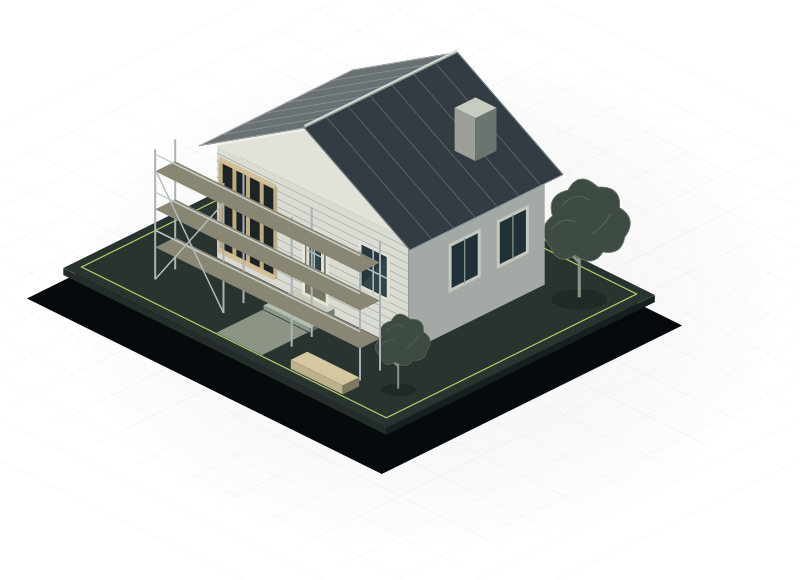
The short answer
What does it
mean for you?
Renovation coverage depends on the kind of work, the property’s occupancy, and the policy. Some property policies allow limited repairs. Larger projects may need builders risk or another construction arrangement. Coverage for the existing building, new work, materials, and liability should each be accounted for.
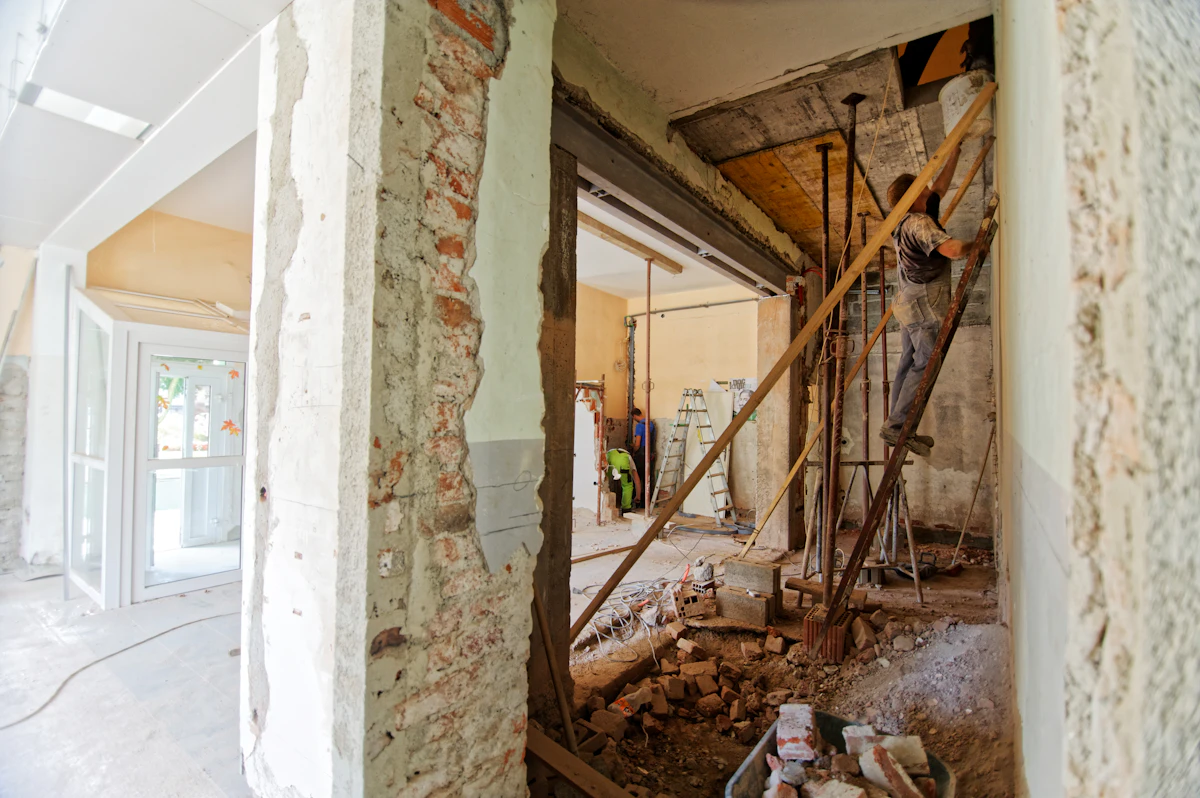 Property photography for illustration.
Cosmetic work and structural work are different risks
Painting and replacing cabinets generally leave most of the building intact. Removing load-bearing walls, replacing a roof, or gutting the interior can expose it to a different kind of loss. Vacancy, interrupted utilities, and portions open to the weather add to the concern. A policy’s permission for minor repairs should not be read as permission for every renovation.
What builders risk can cover
Builders risk is property insurance for a construction or renovation project. Depending on the policy, it can cover work in progress and materials that will become part of the building. The original structure may need to be expressly included. A policy written for the value of the new work alone may leave a substantial part of the property outside that coverage.
Why the contractor’s policy isn’t the whole answer
Contractor liability, the owner’s property insurance, and the owner’s liability address different interests. A contractor’s insurance is not automatically a policy on your building. Tools and rented equipment may also be treated differently from materials becoming part of the project. The construction contract and the actual policies determine how those responsibilities are divided.
Living or working there during the project
An occupied renovation has exposures that an empty job site does not. Residents, customers, or employees may remain near the work area, while construction changes access and the use of rooms. Some insurance arrangements allow partial occupancy; others have restrictions. The policy needs to fit the way the building is actually being used.
When the work is finished
A completed house waiting to sell is no longer the same risk as an active renovation. Neither is a building that has reopened for business. Completion, occupancy, sale, or the end of a policy term can affect when project coverage ends. A fix-and-flip can therefore need one arrangement during the work and another while it waits for a buyer.
What affects renovation insurance costCoverage at a glance
Three parts of a renovation risk.
- The existing structure: the building that was there before work began.
- The project: new work and covered materials being added to it.
- Liability: covered claims involving injury or damage to others.
Available coverage, exclusions, and limits depend on the actual policy.
Get a renovation insurance quoteYour questions, answered.
Does vacant home insurance cover renovations?
Some vacant home policies permit limited repairs, but that does not mean every renovation is covered. Structural changes, roof replacement, or a gutted interior may require a construction arrangement. The original building, the value of new work, and occupancy during the project each affect the insurance needed.
Link to this answerWhat is builders risk insurance?
Builders risk is property coverage for construction or renovation. Depending on its terms, it can insure work in progress and materials becoming part of the project against covered damage. It is not automatically liability coverage, and the existing structure may need to be specifically included.
Link to this answerDoes builders risk automatically cover the existing building?
No. A policy may insure the new work without automatically covering the original structure. The existing building and the renovation can have different values or settlement terms. That distinction matters because the project budget may represent only a small part of the property’s total value.
Link to this answerIf my contractor has insurance, do I still need my own coverage?
A contractor’s insurance does not automatically replace the owner’s coverage. Contractor liability, insurance on the building and project, and the owner’s liability serve different purposes. A certificate showing that the contractor has insurance does not, by itself, establish that your entire property is insured.
Link to this answerCan I do the renovation work myself?
Owner-performed work may be considered under some arrangements, but it can affect eligibility. The scope of work, experience, structural changes, and other contractors involved can all matter. Doing the work yourself does not remove the need for property and liability coverage appropriate to the project.
Link to this answerAre materials, tools, and equipment covered?
They are not necessarily covered in the same way. Materials that will become part of the building may fall within project coverage. Hand tools, machinery, and rented equipment can require different protection. Location also matters: items in transit or stored elsewhere may be subject to separate terms.
Link to this answerCan part of the property remain occupied during renovation?
Some arrangements permit partial occupancy, subject to the project and policy. Residents, employees, or customers remaining in the building create exposures different from an empty job site. The occupied area, separation from construction, and changes in access can affect the available coverage.
Link to this answerWhat happens when the renovation is complete?
Completion can change the insurance need and may affect when project coverage ends. A finished home waiting for a buyer, an occupied residence, and a rental are different uses. Coverage should transition to the completed property’s actual use rather than relying indefinitely on a construction policy.
Link to this answerA closer look at coverage
Insurance terms,
in plain language.
Basic, broad, and special forms explain which causes of property damage may be covered. Replacement cost and actual cash value explain how covered damage may be valued. Liability coverage is a separate question.
When you’re ready
Need insurance
for your property?
Start my quoteA quote brings the coverage, price, and terms together for the property you own.